 |
 |
 |
|---|
 |
|---|
 |
 |
|---|---|
 |
 |
 |
|
 |
|
|
|
 |
 |
|---|
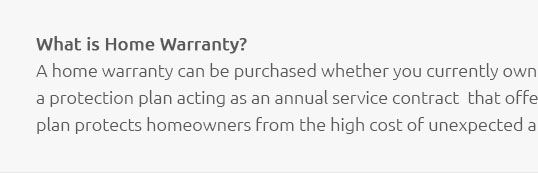
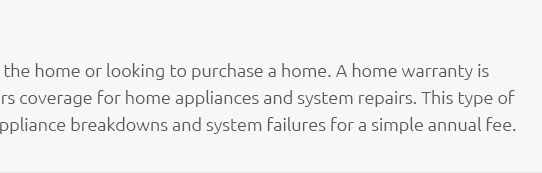
Understanding Guaranteed Home Warranties: What to ExpectIn the complex world of homeownership, ensuring peace of mind can often seem like a daunting task. One way homeowners seek to achieve this is through the purchase of a guaranteed home warranty. This type of warranty offers a layer of protection that can shield you from the often unexpected and costly repairs associated with home systems and appliances. First and foremost, it's crucial to understand what a home warranty is and what it is not. Unlike homeowner's insurance, which covers damage from unforeseen events like fires or natural disasters, a home warranty is a service contract. It primarily covers the repair or replacement of specific home systems and appliances that break down due to normal wear and tear. When you purchase a guaranteed home warranty, you're essentially buying peace of mind. But what exactly should you expect from this agreement? Here's a closer look:
Now, it's worth noting that while a home warranty can be an excellent tool for managing home maintenance costs, it is not a one-size-fits-all solution. Homeowners should weigh the costs versus the potential savings and consider the age and condition of their home systems and appliances. For instance, if you own a relatively new home with new appliances, the likelihood of requiring major repairs might be lower, and a warranty might not be as beneficial. Conversely, if your home is older, a warranty could provide substantial financial protection. In conclusion, a guaranteed home warranty is a valuable asset for many homeowners, offering a safeguard against unexpected repair costs and a way to simplify the maintenance of home systems. However, it requires careful consideration and a clear understanding of the terms and conditions. By approaching it with a well-informed perspective, homeowners can decide if this safety net aligns with their financial and home maintenance strategies, ensuring that they make the most of their investment in their home. https://www.nationalhomeguaranteed.com/
A combined knowledge of 40+ years in the specific Home Warranty arena and 80+ years of residential real estate and construction service experience. https://afchomeclub.com/the-best-home-warranty-massachusetts-service-fee-repair-replacement-combo-plan-systems-appliances-air-conditioner
AFC provides access to a marketplace of services for your home, saving you money on things like home and auto insurance, ... https://www.grarate.com/homewarranty
When you purchase a home with Guaranteed Rate Affinity and a Coldwell Banker agent, you will receive a one-year home warranty ShieldPlusSM plan provided by ...
|
|---|

